The Organ of Our Lady of the Assumption for more than a century.
“Likewise, its sound has been praised by the great performers who have played on its keyboards, both for the quality of the materials and for the brilliance and expressiveness of their playing. Great performers of the instrument have played on it, such as Marie Claire Alain, Philipe Levfebre, Guy Bovet, Daniel Chorcempa, Ferdinand Klinda, José Manuel Azcue, Esteban Elizondo, Montserrat Torrent, Mario Duella, Handel Cecilio, Juan de la Rubia, Thomas Ospital,…”
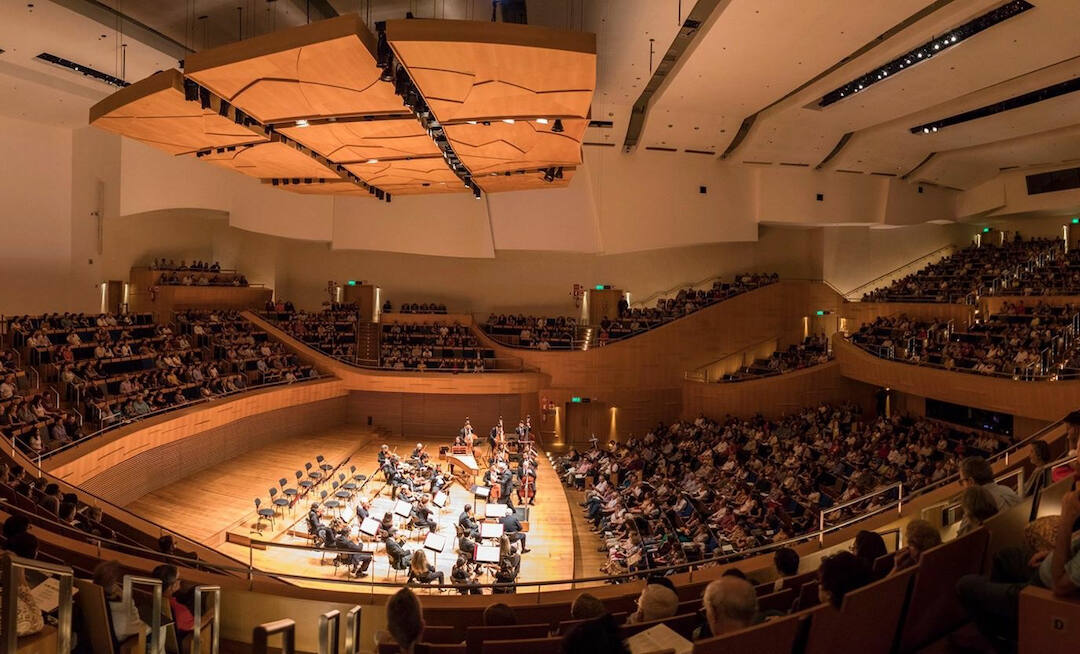
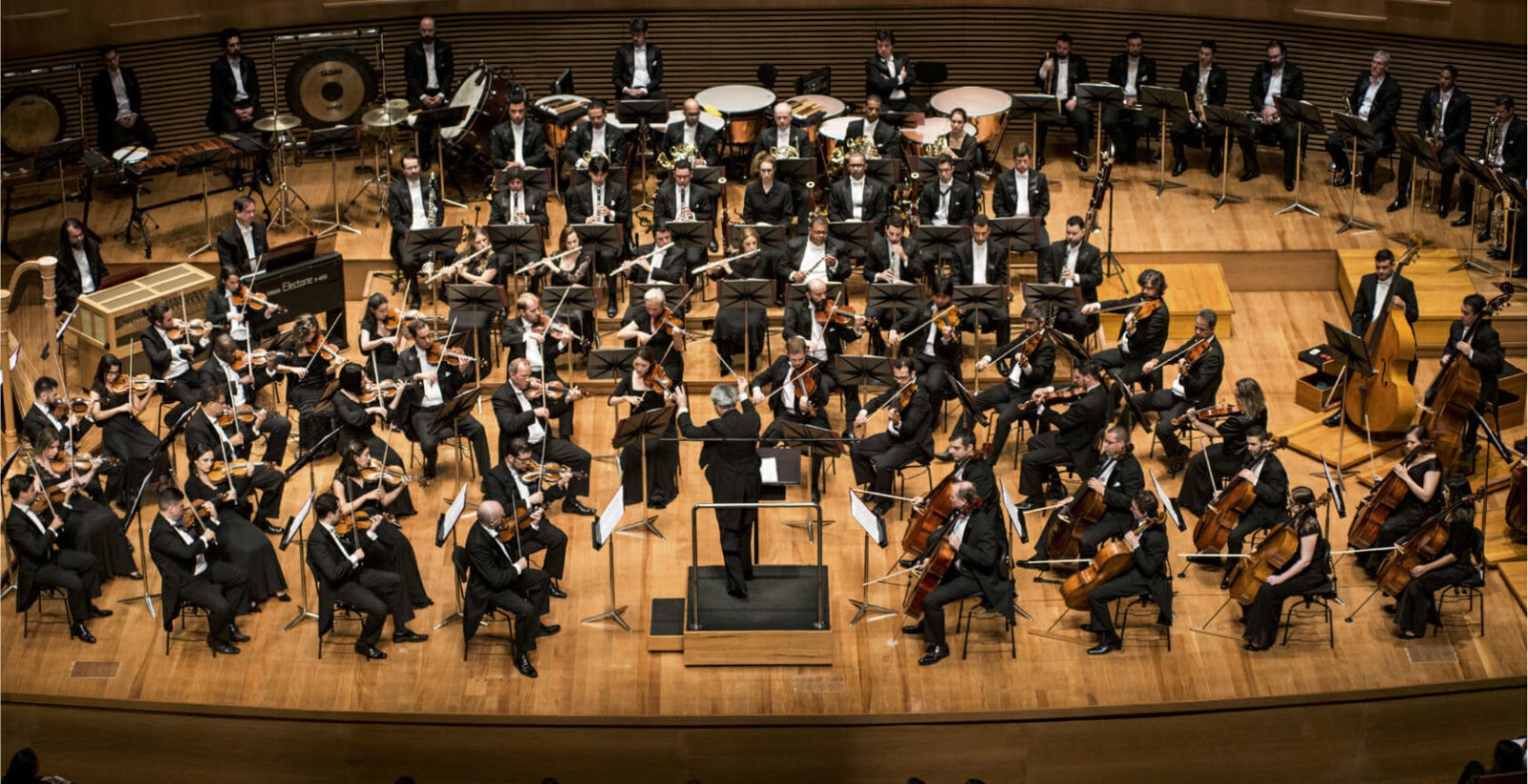
In the period from 2012 to 2019, the organist Handel Cecilio performed in concerts on this pipe organ and participated twice in the Centenary Year (2017) of this instrument. On all these occasions, together with the Spanish trumpeter Basilio Gomarín Piriz, he performed other concerts in other cities in the region. All these concerts had as Coordinator and Artistic Director the titular organist of the Church of Our Lady of the Assumption, Enrique Campuzano Ruiz.
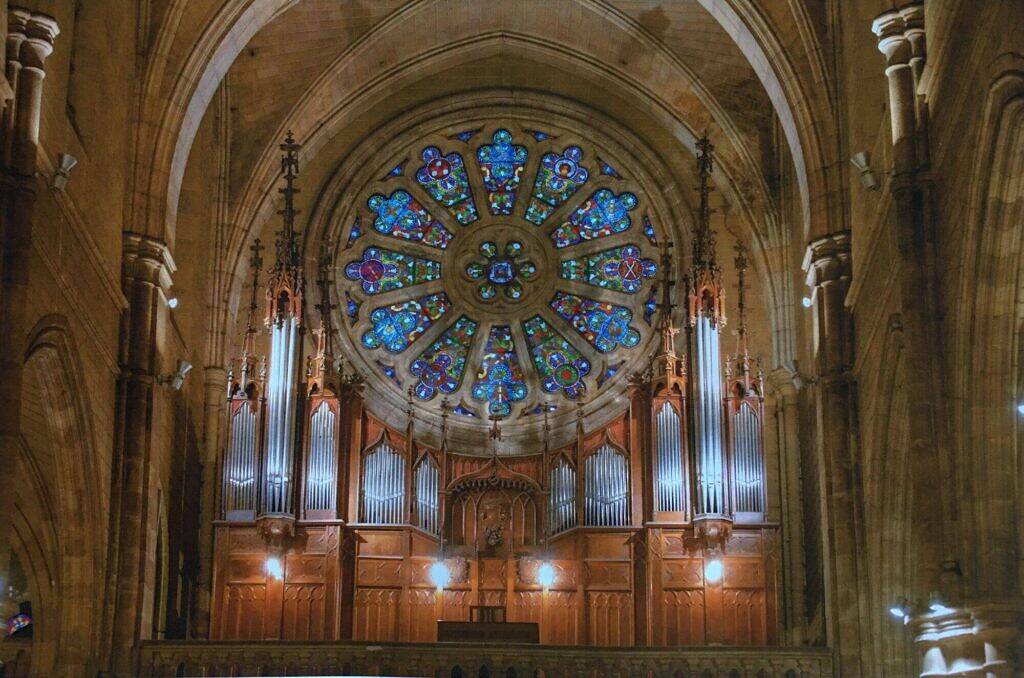
1c-torrelavega-antigua-el-organo-de-nuestra-senora-de-la-asuncion-con-mas-de-un-siglo-compressed-compressedThe Organ of Our Lady of the Assumption is more than a century old.
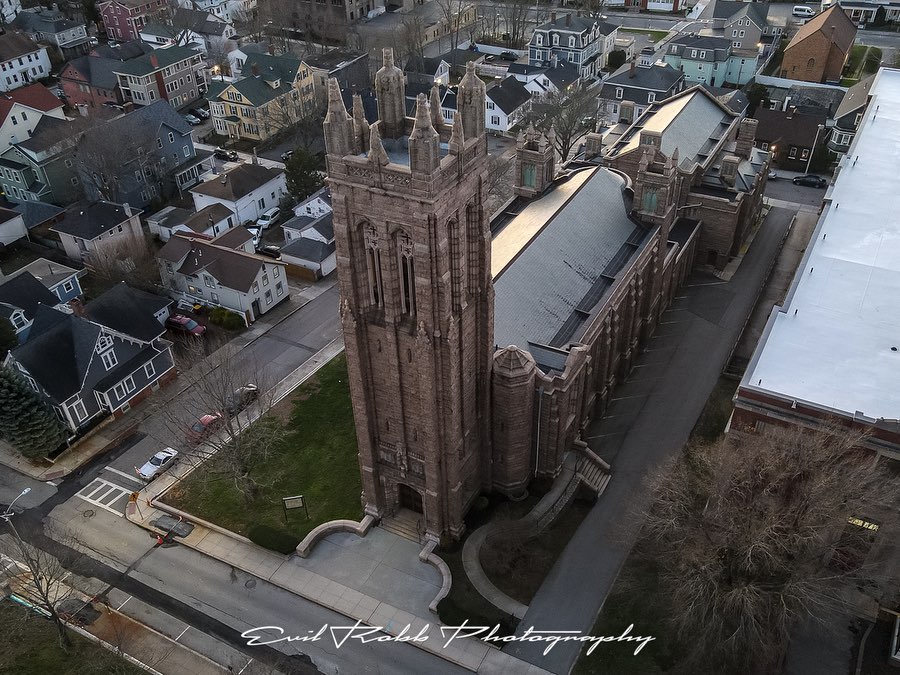
Music in general and the organ in particular are essential in Christian liturgies. Tradition has highly valued this instrument. The organ of the church of Nuestra Señora de La Asunción in Torrelavega, of romantic style, was built in 1916 by the Eleizgaray house in Azpeitia, Guipúzcoa. It is therefore a centenary organ. It was designed by the German engineer Albert Merklin under the supervision of a commission headed by Father Nemesio Otaño, organist, composer and director of the Schola Cantorum and of the programs of studies and musical diffusion of the Pontifical University of Comillas. This organ has been declared an Asset of Cultural Interest, BIC, the only one in our city with the category of movable property. We are, therefore, proud of this recognition. It was the architect who built the church, José María Basterra, who designed the project of the organ case, adapting it to the style of the church, where the rose window on the front of the church stands out.
In the old church of Nuestra Señora de la Consolación in the town of Torrelavega, located in the Plaza de los Granos, there was a harmonium that was played every year by an organist during the novena of the Virgen del Carmen. It is possible that this organist was Cándido Lucio Ramos, who participated in the consecration of the new church of La Asunción in 1906. For the inauguration of the new church of the Asunción in 1901, the Count of Torreanaz, Ramón Fernández Hontoria, lent a harmonium of 20 registers that he had brought from Madrid, to accompany the solemn Te Deum, sung by the Orfeón of the town and accompanied by a large orchestra. It was necessary to wait 16 years for the brand new church of Torrelavega to have an organ, according to its excellent architecture. It is installed in the choir loft of our parish church.
It is a great organ, which was donated by Vicenta Astúlez, sister of Alonso, one of the main promoters of the construction of the temple. An inscription reads: “Donativo de Vicenta inscription: “Donated by Vicenta Astúlez Velarde. August 15, 1917”. A few days before, on August 12, a closed-door concert was given by Mr. Eleizgaray. The official inauguration took place in the central days of the Patron Saint of that same year. On Tuesday, August 14, 1917, at 4 o’clock in the afternoon, the organists Nemesio Otaño and Cándido Alegría performed and the program was completed by Mr. Arredondo and Mr. Iturriza. During the high mass on the 15th, feast of the Patron Saint, the Mass of Saint Cecilia de Cicognani was played by a chapel composed of musicians from Santander and Bilbao.
For the acquisition of the organ, a commission was formed by prestigious organists: Emilio Aguirre, organist of the Cathedral of Santander, Cándido Alegría, organist of the parish of Santa Lucía, Santander and Félix Apellániz, organist of our parish, presided by the eminent musicologist and organist Father Nemesio Otaño. The idea began to take shape with the organist Félix Apellániz, coming from the seminary of Vitoria and the help of Emilio Revuelta who was the parish priest. Once the definitive project of the organ was known, Father Otaño made some indications to improve the instrument in a report presented to the parish priest Emilio Revuelta Ruiz and signed by the aforementioned commission, proposing some reforms so that the parish would have a superb organ…it would be the first one in our province. They approve the project of the house Viuda de Amezua, F. Eleizgaray y Compañía, of Azpeitia, whose technical director, as we have already said, was the German engineer Albert Merklin, nephew of the great organ builder Joseph Merklin.
The project chosen was an organ with two 56-note keyboards and a 30-note pedalboard. With 21 stops and 7 combination pedals, plus 28 additional free combination stops and six fixed stops. The engineer Merklin enlarged the project according to Father Otaño’s indications, increasing some stops, although not exactly those proposed by Don Nemesio, thus resulting in a perfect instrument. The box has a neogothic façade designed by the architect of the temple José María de Basterra, which is integrated in the architecture and especially with the great rose window of the main façade. It used to have a mechanical-pneumatic transmission system, but has been electrified, preserving several sets in their original state.
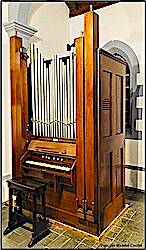
It belongs to the romantic style, with 24 registers that provide a great variety of timbre, as well as ten mechanisms for combining sets and regulating the volume. Its two keyboards and pedal allow a wide range of sounds through its 1400 pipes.
The importance of our organ lies in being one of the first to adopt this pneumatic system. The Eleizgaray house was a pioneer in the introduction of this system, as it was one of the most prestigious in Spain at the end of the last century and the beginning of the next. It consists of a large box that occupies almost the entire width of the central nave of the temple, preceded by a splendid wooden facade, neo-Gothic style, in keeping with the architectural aesthetics of the building. The console with the keyboards is placed in front of the façade, still leaving some space for the location of a medium-sized choral ensemble.
Likewise, its sound has been praised by the great performers who have played on its keyboards, both for the quality of the materials and for the brilliance and expressiveness of their playing. Great players of the instrument have played on it, such as Marie Claire Alain, Philipe Levfebre, Guy Bovet, Daniel Chorcempa, Ferdinand Klinda, José Manuel Azcue, Esteban Elizondo, Montserrat Torrent, Mario Duella, Handel Cecilio, Juan de la Rubia, Thomas Ospital,…
In 1997 the organ was restored. The expert organ builders Azpiazu e Hijo de Azpeitia, who had already restored the organs of the cathedral of Seville, Leon, Ibiza and numerous churches and convents in Spain, intervened. At the conclusion of this work, the organ was reopened on January 31, 1998 by the organist José Manuel Azcue and the Torrelavega Choir. The event was used as an opportunity to pay a warm tribute to the musician Juan José Mier who had died the previous summer on the beach of Liencres. Enrique Campuzano, currently the organist of the church of Nuestra Señora de la Asunción, confirms the high level of the organ: “it is perhaps the best in the region, a real jewel”.
Posted by Tomás Bustamante Gómez in 10:53
https://www.torrelavegaantigua.com/2013/01/el-organo-de-nuestra-senora-de-la_2.html