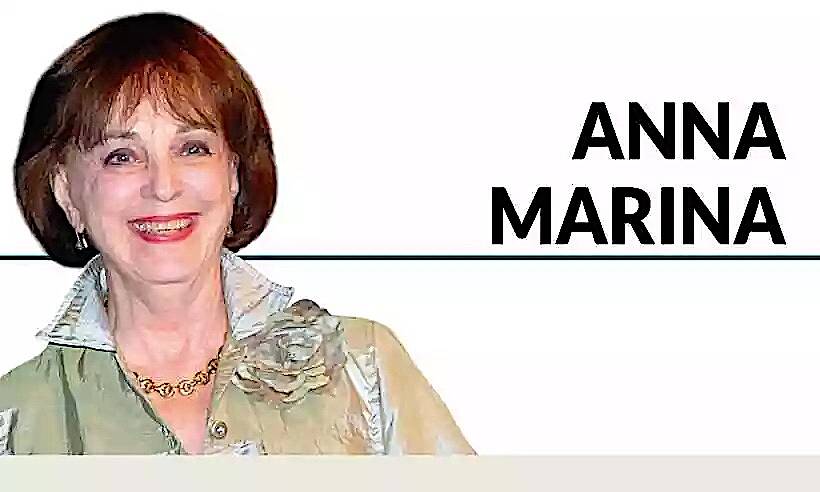
Anna Marina is an emblematic figure in the journalistic scene of Minas Gerais, known for her dedication and passion in defending the cultural and musical interests of the state. Acting as a social columnist for the renowned newspaper Estado de Minas, she plays a key role in highlighting and valuing the rich culture of Minas Gerais, as well as the talent of local musicians. Her column goes beyond traditional social coverage, as Anna Marina is concerned with giving voice to the artists and musicians of Minas Gerais, providing them with a space for their stories and achievements to be shared with the reading public. It is through her skillful words that local talents have the opportunity to shine and be recognized at the state and sometimes national level. The defense of Minas Gerais culture is one of Anna Marina’s trademarks. She highlights the traditions, festivals, art exhibitions and cultural events that make Minas Gerais a storehouse of cultural riches. Her commitment to promoting and preserving regional traditions and artistic manifestations helps strengthen the state’s cultural identity. When it comes to music, Anna Marina is tireless in publicizing and supporting the talented musicians of Minas Gerais. She makes room for musicians of different genres, whether they are popular, classical, regional or contemporary. Her column has the power to amplify the voice of those who delight audiences and enrich the Minas Gerais music scene. In addition, Anna Marina engages in issues related to the development and support of music in the state. She raises discussions about public policies for culture and the importance of investment and recognition of local artists. Her work is of fundamental importance for the music of Minas Gerais to achieve even more projection and prestige. The social columnist’s work is not limited to the newspaper’s space. Anna Marina is involved in cultural and musical events, being a striking presence at record releases, festivals, concerts and exhibitions. Her presence and coverage contribute to the visibility of artists and enhance the state’s cultural scene. Anna Marina of the newspaper Estado de Minas is a tireless defender of Minas Gerais, its culture and its music. With her admirable work and commitment, she has become a reference for many who seek to know and value the cultural and musical wealth of the state. Her legacy is a true gift to Minas Gerais culture and to all those who believe in the transformative power of art and music.
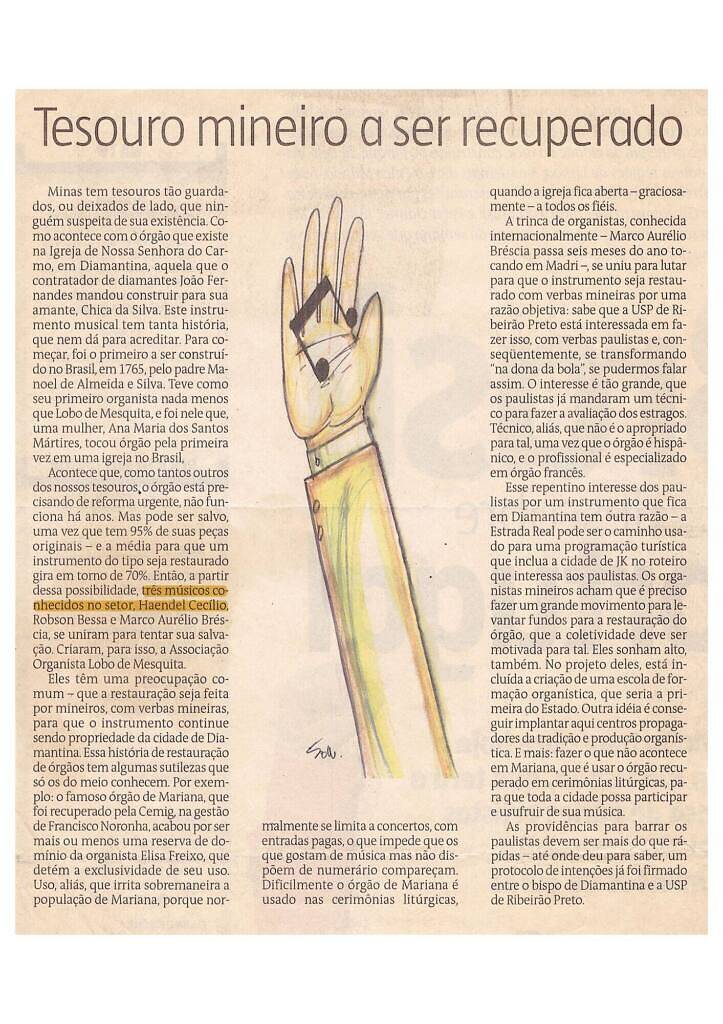
Mining treasure to be recovered
By ANNA MARINA, Social columnist for the newspaper Estado de Minas
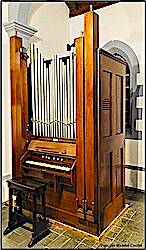
Minas Gerais has treasures that are so well guarded or neglected that nobody suspects their existence. As is the case with the organ in the Church of Nossa Senhora do Car-mo in Diamantina, the one that diamond contractor João Fernandes had built for his mistress, Chica da Silva. This musical instrument has so much history, you can’t believe it. To begin with, it was the first to be built in Brazil, in 1765, by Father Manoel de Almeida e Silva. It had as its first organist no less than Lobo de Mesquita, and it was on it that a woman, Ana Maria dos Santos Mártires, played the organ for the first time in a church in Brazil.
It turns out that, like so many other of our treasures, the organ is in urgent need of refurbishment, it hasn’t worked for years. But it can be saved, since it has 95% of its original parts – and the average for an instrument of this type to be restored is around 70%. So, based on this possibility, three well-known musicians in the sector, Haendel Cecílio, Robson Bessa and Marco Aurélio Brés-cia, got together to try to save them. They created, for this purpose, the Lobo de Mesquita Organist Association.
They have a common concern – that the restoration be done by miners, with mining funds, so that the instrument remains the property of the city of Dia-mantina. This history of organ restoration has some subtleties that only those in the know know. For example, the famous organ of Mariana, which was restored by Cemig under the management of Francisco Noronha, ended up being more or less a reserve of domain of the organist Elisa Freixo, who holds the exclusivity of its use. This use, moreover, irritates the population of Mariana, because it is usually limited to concerts, with paid tickets, which prevents those who like music but do not have the money to attend. The Mariana organ is hardly ever used during liturgical ceremonies, when the church is open to all the faithful.
The trio of organists, internationally known – Marco Aurelio Bréscia spends six months of the year playing in Madrid -, have joined forces to fight for the instrument to be restored with funds from Minas Gerais for an objective reason: they know that USP in Ribeirão Preto is interested in doing this, with funds from São Paulo and, consequently, becoming “the owner of the ball”, if we can speak like that. The interest is so great that the São Paulo authorities have already sent a technician to assess the damage. The technician is not the right one for this, since the agency is Hispanic, and the professional is specialized in French agencies.
This sudden interest of the São Paulo people in an instrument that is in Diamantina has another reason – the Estrada Real may be the route used for a tourist program that includes the city of JK in the itinerary that interests the São Paulo people. The organists from Minas Gerais think that a big movement is needed to raise funds for the restoration of the organ, that the community should be motivated to do so. They dream big, too. Included in their project is the creation of a school for organ training, which would be the first in the state. Another idea is to set up centers here to propagate the tradition and production of organ music. What’s more, they want to do something that doesn’t happen in Mariana, which is to use the recovered organ in liturgical ceremonies, so that the whole city can participate and enjoy its music.
The measures to stop the Paulistas should be more than quick – as far as we know, a protocol of intentions has already been signed between the Bishop of Diamantina and the USF of Ribeirão Preto.