
New Organ at Brasilia Memorial Baptist Church – DF – Brazil
THE BAPTIST NEWSPAPER
OFFICIAL ORGAN OF THE BRAZILIAN BAPTIST CONVENTION FOUNDED IN 1901
Memorial’s new organ
At the proposal of the Minister of Music, Anderson Silveira Motta, a committee was created on September 10, 1997 to study the acquisition of a new organ for Memorial Baptist Church. It was proposed to purchase a Rodgers electronic organ with three keyboards and pedalboard. The purchase contract was signed on September 9 and the installation took place on December II. (Page 15)
Memorial’s new organ
ROBERTO TORRES HOLLANDA
EDSOM DA SILVA LEITE and ROSBER
NEVES ALMEIDA (PHOTOS)
“Don’t forget, Your Highness, to send some organs here….” (excerpt from the letter written in 1552 by the musician Pero Fernandes Sardinha, Bishop of Bahia, to D. João Ill, King of Portugal).
Church leadership, before the inauguration, remembered to endow the Temple Memorial Baptist Temple with a musical instrument consistent with its modernity and the novelty of the Brazilian capital.
Sunday Bulletin on October 8, 1961 reported that a commission had been formed, composed of Alzira Coelho Brito (rapporteur), Ruth Botelho Vianna, Alda Fonseca Villas Boas and Geraldo Horácio de Oliveira, to study the importation of an electric organ for the Memorial Temple.
In a letter written in Porto Alegre (RS) and transcribed in the BD of October 21, 1962, missionary James Musgrave, pastor emeritus of the Memorial Church, reported that the Hammond organ was in the port of New York, depending on the import license for its shipment. Federal deputy Raymundo Brito, husband (not a believer) of Alzira Brito, in 1962 presented a bill granting exemption from import tax and customs duties for the importation of that organ. Albérico Antunes de Oliveira (said that projects of this type should be approved because they “favor culture in its enriched sector, music, especially sacred music”) and Mr. Aureo Mello (said that the organ would complement “one of the most important and important areas of the Church in Brasilia”). that the organ would complement “one of the most beautiful monuments of art in Brasilia”). The project was unanimously approved. The organ had been donated by the Foreign Mission Board, with the following specification: Hammond. Concert type, model RT-3.
The first concert was performed by the organist Marjorie Traxler, in a promotion of the Cultural Department, directed by ir. Roberto Torres Hollanda, on November 1, 1963; the Methodist organist, who studied at the famous Peabody Conservatory in Balti-more, Maryland, USA, performed sacred music.
The second, by the young organist Onésimo Gomes da Silva, on April 8, 1966, who performed two pieces (“Ave verum”, by Mozart, and “O, bloody forehead” by Bach) of sacred music. Onésimo, at the time, was organist of the Evangelical Christian Church Betel, in Taguatinga (DF).
At the proposal of the minister of music, Anderson Silveira Motta, a commission was created on September 10, 1997 (Anderson Silveira Motta, Evaldo Nunes Albernaz and Rosber Neves Almeida) to study the acquisition of a new organ (see: “A Church alive for the living God – History of the Memorial Baptist Church – 1960/2000” pp. 191 and 192. Brasília: 2005).
On August 19, 2008, MM. Anderson traveled to São Paulo (SP), where he visited the office of Roland, which imports Rodgers organs, manufactured since 1958 in the USA, and the temple of the Igreja Batista da Liberdade, to see the organ it had acquired a few months before.
In the 1990s, he was vice-president of AMB Mineiro. Since that decade, he has been director of the music course at STB Mineiro. Recently, he became director of Intermezzo, a vocal-instrumental group at UEMG.
Musicologist, he participated in the 16th Congress, in Brasília (2006) and the 17th Congress, in São Paulo (2007), of the National (2007), of the National Association for Research and Post-Graduation in Music (ANPPOM). He specializes in Brazilian music.
In 2007 he presented a monograph on the organ of the parish of Córregos (MG) and was approved for the doctoral course in music at the State University of Campinas (UNICAMP), to be started in 2009.
He played, on June 8, 2008, the organ of the Royal Chapel, in Rio de Janeiro (RJ), on the birthday of Luiz de Orleans e Bragança, accompanying the Gregorian Choir of Ouro Preto (MG), conducted by Fabrício Rodrigues Pereira.
In July this year, at UNI-
He proposed the acquisition of a Rodgers electronic organ, model Trillium Masterpiece – 908, of three keyboards and pedalboard, and as many additional speakers as necessary for the perfect hearing of all the technical resources of the organ. The purchase contract was signed on September 9; installation took place on December II. The Rodgers has, among other features, volume control devices, a console with clock and illuminated pistons. The Hammond, which for 45 years. was in operation in the Memorial Temple, it will be transferred to the Éber Vasconcelos Auditorium.
In this organ, among others, were performers, notable for their competence and sense of
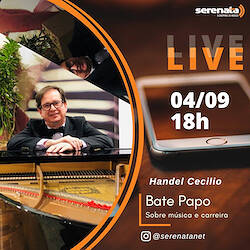
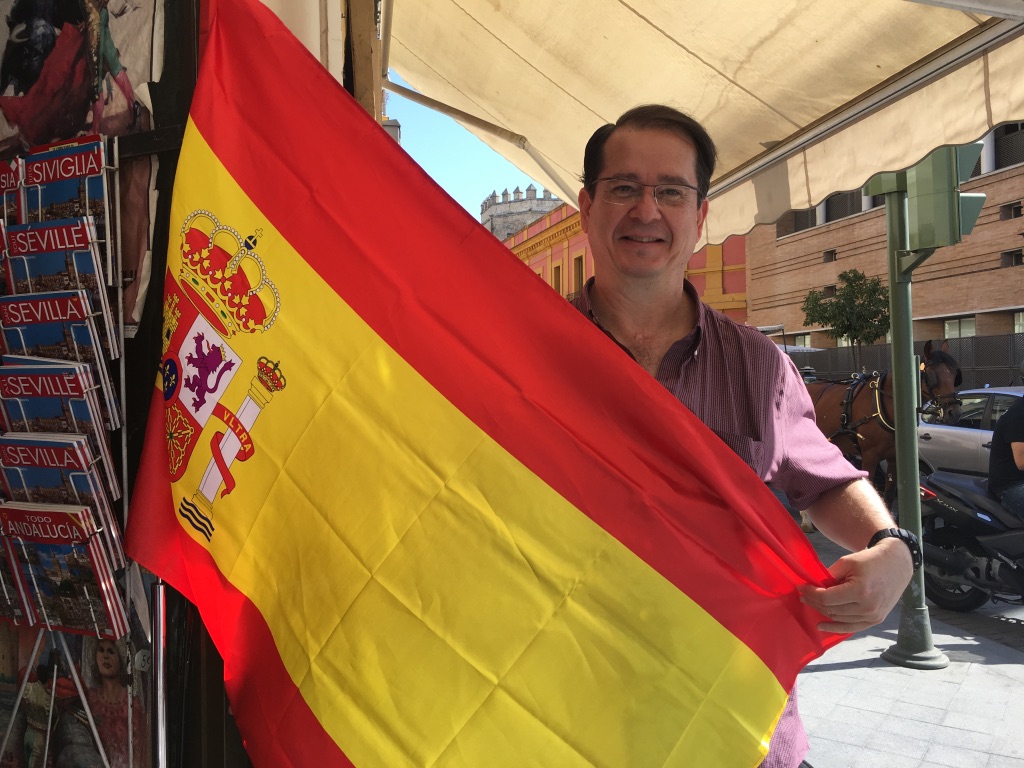
Finally, the inauguration took place at the Sunday morning service on December 14, 2008. To play it, the pianist and harpsichordist Handel Cecilio Pinto da Silva, currently organist of the Renascença Baptist Church in Belo Horizonte (MG), was invited; his name is a paternal reference to the Anglo-German composer of Anglican music and to the Italian patron saint of Catholic music (see: Rolando de Nassau, “Dicionário de Música Evangélica”, p. 4). Evangelical Music”, p. 159. Brasília: author’s edition, 1994). He was organist at IB da Graça (for 14 years) and at PIB Belo Horizonte (for 18 years). Handel Cecilio holds a bachelor’s degree in piano and a master’s degree in music from the State University of Minas Gerais (UEMG); a master’s degree in historical mu- sychology and is a doctoral candidate at the State University of Minas Gerais (UEMG).
sicology and a PhD candidate at the State University of Campinas (UNICAMP).
In the 1990s, he was vice-president of AMB Mineiros. Since that decade, he has been director of the music course at STB Mineiro. Recently, he became director of Intermezzo, a vocal-instrumental group at UEMG.
He played, on June 8, 2008, the organ of the Royal Chapel, in Rio de Janeiro (RJ), on the birthday of Luiz de Orleans e Bragança, accompanying the Gregorian Choir of Ouro Preto (MG), conducted by Fabrício Rodrigues Pereira.
In July of this year, at UNICAMP, he defended his master’s dissertation on the eighteenth-century organ of the church of Diamantina (MG), with Edmundo Hora as advisor; the examining board was composed of Calimério Soares, Helena Jank and Dorotéa Kerr, “former perts” in organ music.
He is currently organist and professor at the Baptist College of Belo Horizonte (MG).
During the service, Handel Cecílio performed, in the processional, “God of the Ancients”, music by G.W. Warren (HCC-34; in the processional). Warren (HCC-34); in the prelude, “To Thee, O God”, by W.H. Monk (CC-1, HCC-8); and accompanied the choral and congregational singing.
The dc. Paulo Cezar Vieira dos Santos read historical and technical data on organ building and performance since antiquity and Pr. Josué Mello Salgado after reading a biblical passage made the dedication prayer of the new organ.
In the afternoon of the same Sunday, Handel Cecílio offered a recital with pieces by Purcell, Telemann, Bach, Nebra, Soler, Boellmann, Young and Amaral Vieira.
The Rodgers opens a new page in the history of Memorial and of Brasilia.