
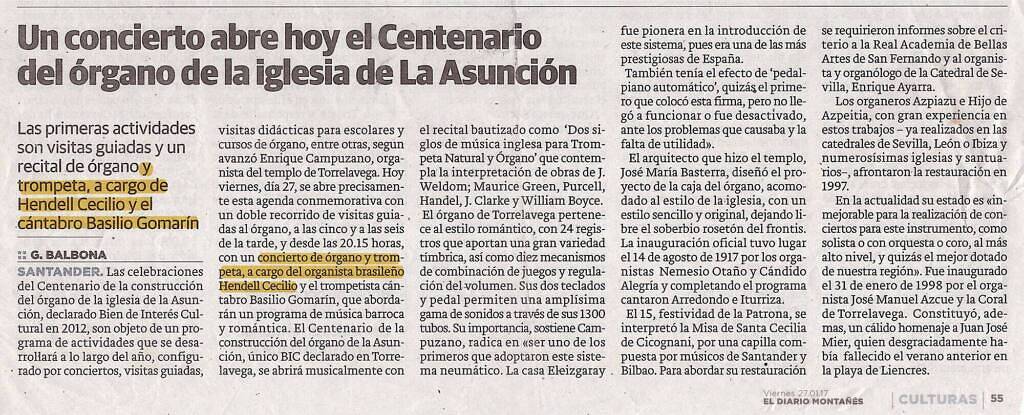
A concert opens today the centenary of the organ of the church of La Asunción.
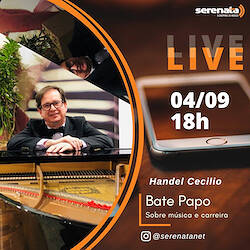
The first activities are guided tours and an organ and trumpet recital by Hendell Cecilio and the Cantabrian Basilio Gomarín.
BY G. BALBONA
SANTANDER. The celebrations of the Centenary of the construction of the organ of the church of the Assumption, declared of Cultural Interest in 2012, are the subject of a program of activities that will be developed throughout the year, consisting of concerts, guided tours, educational visits for schoolchildren and organ courses, among others, according to Enrique Campuzano, organist of the temple of Torrelavega. Today Friday, the 27th, precisely opens this commemorative agenda with a double tour of guided visits to the organ, at five and six o’clock in the afternoon, and from 8 p.m. to 8 p.m. at the church of Torrelavega. in the afternoon, and from 20.15 hours, with an organ and trumpet concert by the Brazilian organist Handel Cecilio and the Cantabrian trumpet player Basilio Gomarín, who will perform a program of Baroque and Romantic music. The centenary of the construction of the organ of the Assumption, the only declared BIG in Torrelavega, will open musically with the recital baptized as ‘Two centuries of English music for Natural Trumpet and Organ’ that contemplates the interpretation of works by J. Weldom; Maurice Green, Purice Green, Purice Green, Maurice Green and Maurice Green.
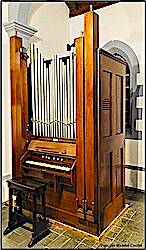
Weldom; Maurice Green, Purcell, Handel, J. Clarke and William Boyce. The Torrelavega organ belongs to the romantic style, with 24 stops that provide a great variety of timbre, as well as ten mechanisms of combination of stops and volume regulation. Its two keyboards and pedal allow a wide range of sounds through its 1300 pipes. Its importance, says Campuzano, lies in “being one of the first to adopt this pneumatic system. The Eleizgaray house was a pioneer in the introduction of this system, as it was one of the most prestigious in Spain.
It also had the effect of ‘automatic pedal-piano’, perhaps the first that this firm placed, but it did not work or was deactivated, due to the problems it caused and the lack of usefulness”.
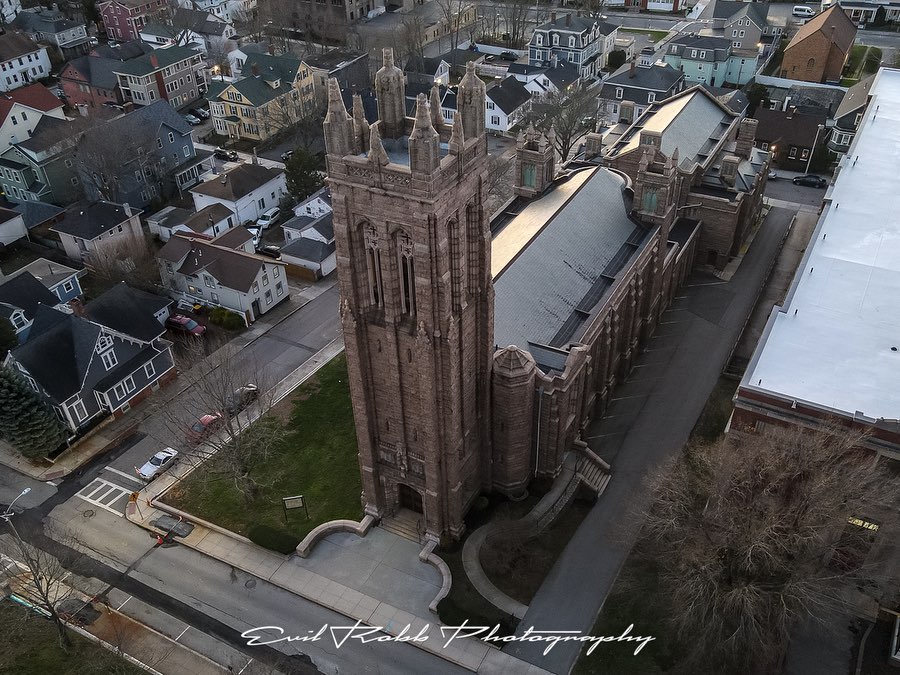
The architect who built the church, José María Basterra, designed the organ case, adapted to the style of the church, with a simple and original style, leaving the superb rose window of the front free.
The official inauguration took place on August 14, 1917, by the organists Nemesio Otaño and Cándido Alegría. Alegria and completing the program were Arredondo and Iturriza.
On the 15th, the feast of the Patron Saint, the Mass of St. Cecilia by Cicognani was performed by a chapel composed of musicians from Santander and Bilbao. In order to undertake its restoration, the Royal Academy of Fine Arts of San Fernando and the organist and organologist of the Cathedral of Seville, Enrique Ayarra, were asked for reports on the criteria.
The organ builders Azpiazu and Hijo de Azpeitia, with great experience in these works -already carried out in the cathedrals of Seville, Leon or Ibiza and numerous churches and sanctuaries-, undertook the restoration in 1997.
At present its condition is “unbeatable for the realization of concerts for this instrument, as a soloist or with orchestra or choir, at the highest level, and perhaps the best equipped of our region”. It was inaugurated on January 31, 1998, by the organist José Manuel Azcue and the Torrelavega Choir. It was also a warm tribute to Juan José Mier, who had unfortunately died the previous summer on the beach of Liencres.